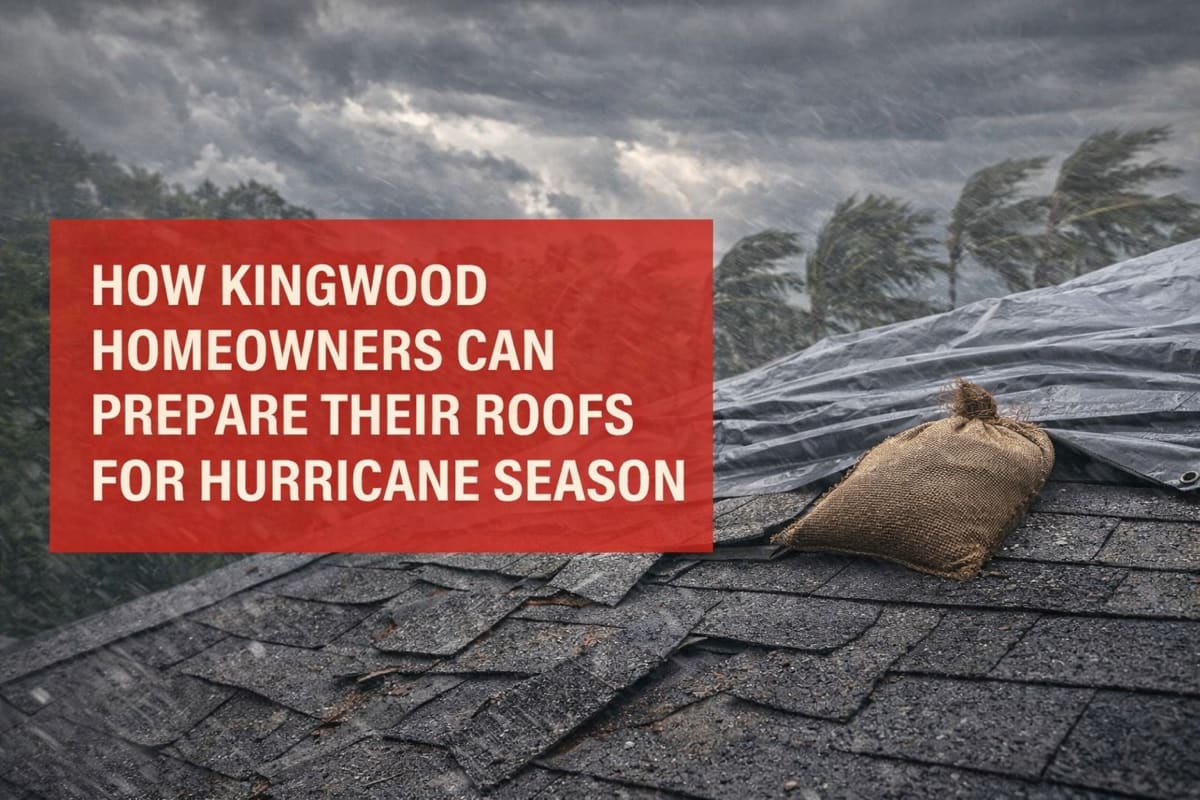
How Kingwood Homeowners Can Prepare Their Roofs for Hurricane Season
Living in Kingwood means enjoying one of Houston's most beautiful communities — but it also means preparing for hurricane season. From June through November, severe weather threatens the Greater Houston area, and your roof is your home's first line of defense. With Kingwood's dense tree coverage and proximity to Lake Houston, homes here face unique storm challenges. The good news? Proper preparation can help your roof weather even the worst storms. Here's what every Kingwood homeowner needs to know about protecting their roof before hurricane season arrives.
Call us today for a free estimate on your next project. We are here to help you with all your roofing needs.
Rayburn's Roofing
Start with a Professional Roof Inspection
Before hurricane season begins, schedule a thorough roof inspection to identify vulnerabilities. Even minor damage can become a major problem when winds reach 50+ mph. A professional roofer can spot issues you might miss from the ground, including loose shingles, compromised flashing, and weak spots around roof penetrations.
What inspectors look for:
- Missing or Damaged Shingles • Shingles that are cracked, curling, or missing entirely create entry points for wind and water.
- Loose Flashing • Metal flashing around chimneys, vents, and skylights must be secure to prevent water intrusion during heavy rain.
- Compromised Roof Valleys • Valleys channel massive amounts of water during storms — any debris or damage here needs immediate attention.
- Deteriorated Sealants • Caulking and sealants break down over time and may need reapplication before storm season.
Address Tree Hazards Around Your Property
Kingwood's tree canopy is beautiful — until hurricane-force winds turn branches into projectiles. One of the most important steps in storm preparation is managing the trees around your home.
Tree maintenance checklist:
- Trim Overhanging Branches • Any branches within 10-15 feet of your roof should be cut back. High winds can snap even healthy limbs.
- Remove Dead or Diseased Trees • Trees that are dying, diseased, or leaning toward your home pose the highest risk during storms.
- Inspect for Weak Branches • Look for branches with cracks, splits, or hanging loose. These should be removed before storm season.
- Hire a Professional Arborist • For tall trees or complex trimming, hire a licensed tree service to safely manage potential hazards.
Secure Loose Items and Clear Your Roof
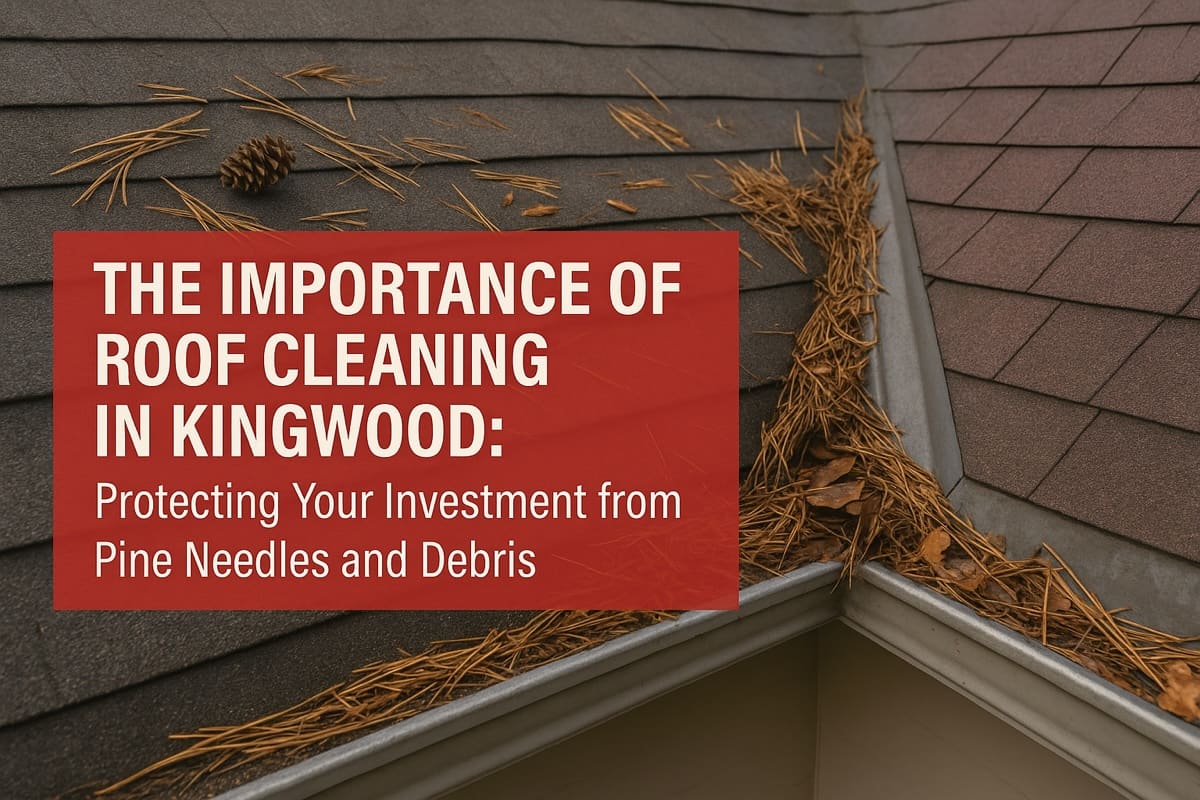
Debris on your roof becomes dangerous during high winds. Pine needles, leaves, and twigs can also clog drainage systems, causing water to pool and leak into your home.
Pre-storm roof cleaning:
- Remove All Debris • Clear leaves, pine needles, and branches from your roof surface and gutters.
- Check Gutters and Downspouts • Ensure gutters are firmly attached and downspouts direct water at least 5 feet away from your foundation.
- Secure Loose Roof Features • Check that vents, satellite dishes, and other roof-mounted items are properly anchored.
- Document Your Roof's Condition • Take photos of your roof before storm season for insurance purposes in case damage occurs.
Consider Preventive Roof Upgrades
If your roof is older or has existing damage, now is the time to make upgrades that can improve its storm resistance.
Storm-resistant improvements:
- Impact-Resistant Shingles • Class 4 impact-resistant shingles can withstand hail and flying debris better than standard shingles — and may lower your insurance premiums.
- Roof Reinforcement • Adding additional fasteners or hurricane straps can help your roof resist high winds.
- Improved Ventilation • Properly ventilated attics reduce pressure buildup during storms, which can prevent roof blow-offs.
- Sealed Roof Deck • A secondary water barrier beneath shingles adds extra protection if the outer layer is compromised.
Know When to Call for Emergency Roof Repair
Even with the best preparation, storms can cause damage. Knowing when to call for help can prevent minor issues from becoming major problems. If you notice any of these signs after a storm, contact a professional roofer immediately: visible holes or punctures, water stains on ceilings, missing shingles, sagging roof sections, or exposed underlayment. Acting quickly with prompt roof repair can prevent water damage from spreading throughout your home.
Review Your Insurance Coverage
Before hurricane season, review your homeowner's insurance policy to understand what's covered. Many policies have specific provisions for wind and hail damage. Document your roof's pre-storm condition with photos and keep maintenance records — this documentation can be invaluable if you need to file a claim. If you're unsure about your coverage, consider scheduling a consultation with your insurance agent.
Don't Wait Until the Storm is Coming
Hurricane preparation takes time, and you don't want to be scrambling when a storm is days away. Schedule your roof inspection and tree trimming early in the season to avoid the rush. At Rayburn's Roofing, we help Kingwood homeowners prepare their roofs for hurricane season with thorough inspections, preventive repairs, and emergency services when storms hit. Contact us today to schedule your pre-season roof inspection and get peace of mind before the next storm.